

Learning by Playing the Business Game
The first Business Game training in Luganda shows the value of learning through experience
Earlier this year, Laudara introduced a new initiative in Ndegeya: the Business Game. The idea behind it is simple. Financial knowledge becomes much more meaningful when people can experience the consequences of their decisions rather than only hearing about them.
Now the game has moved from preparation to practice.
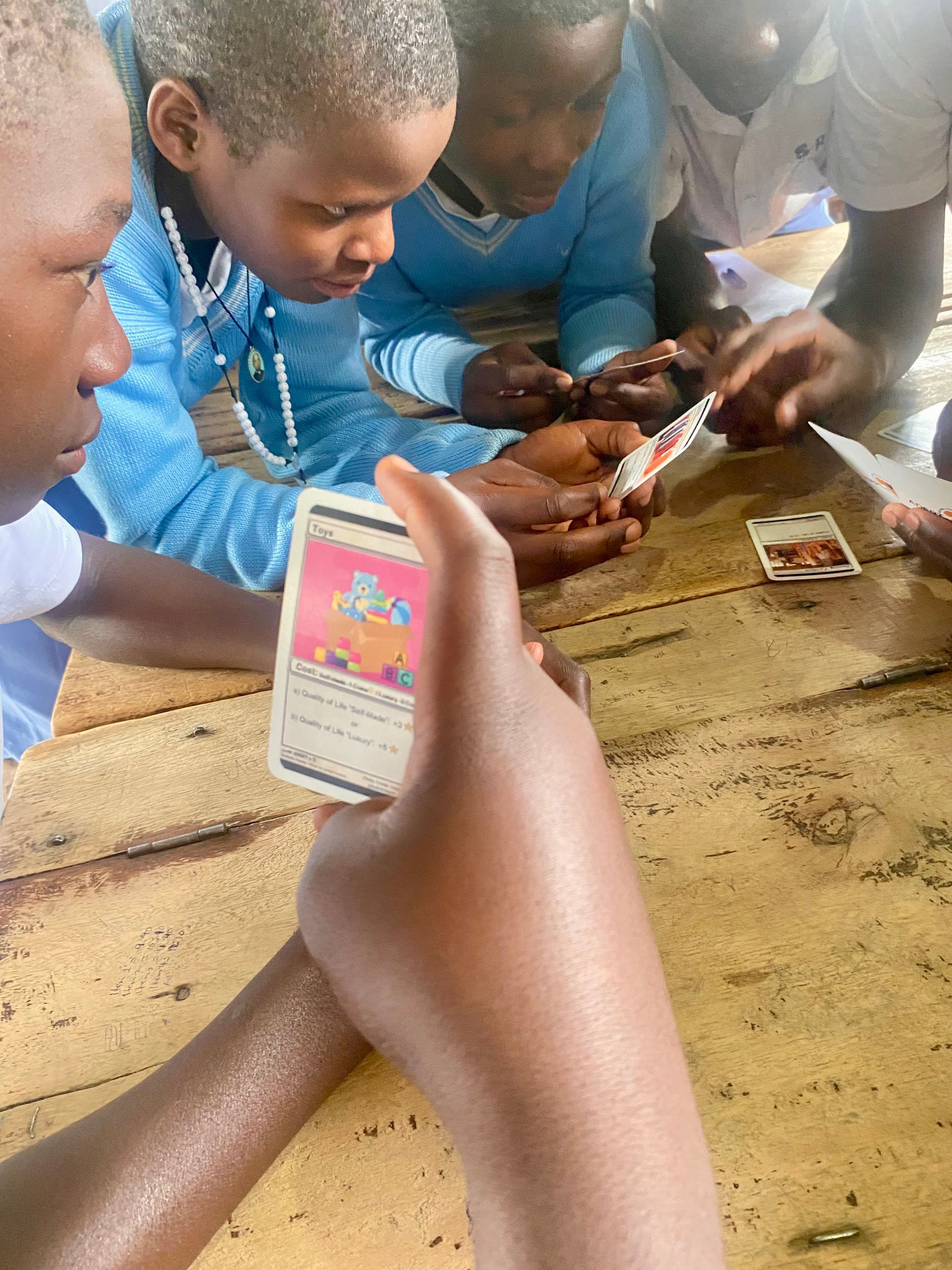
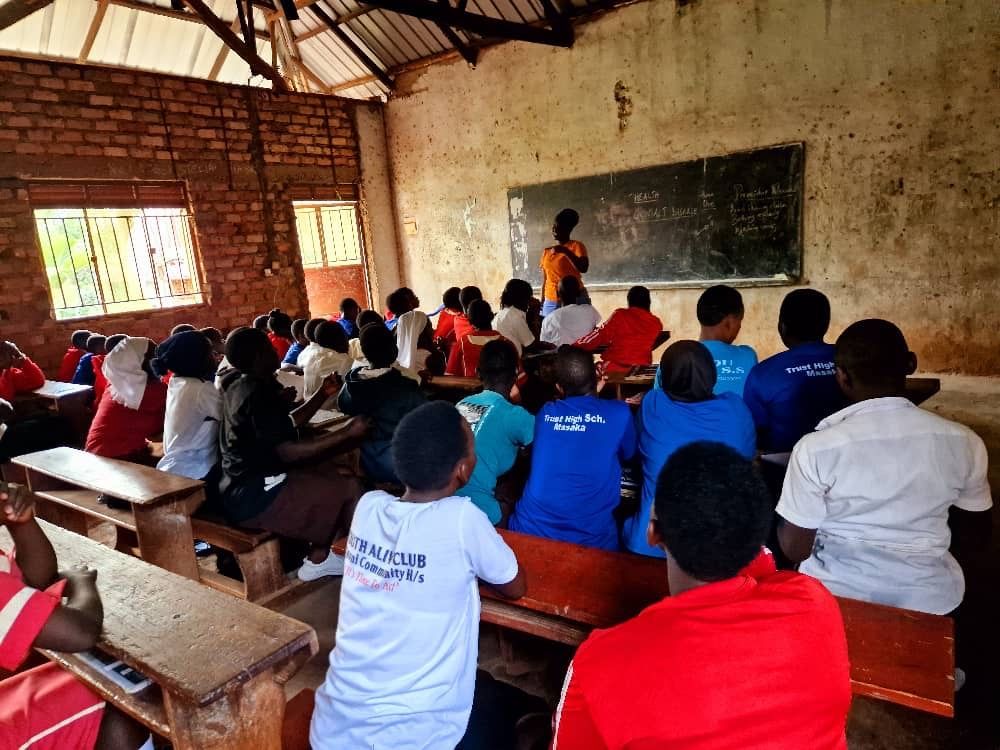
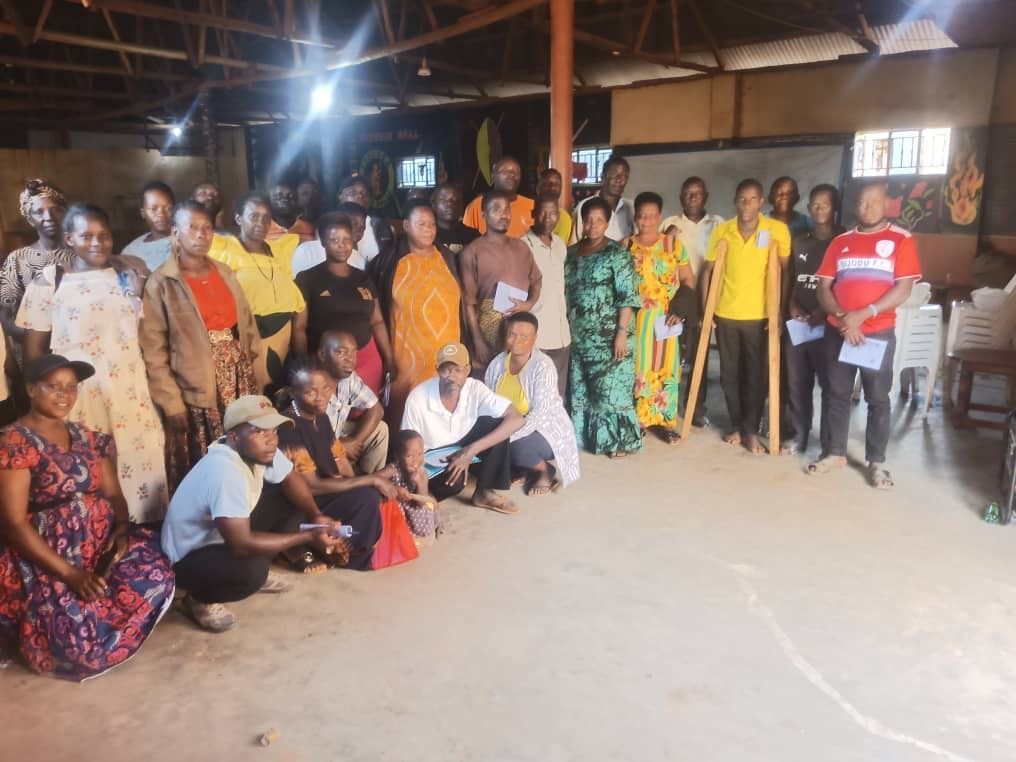
In Ndegeya, 39 community members recently took part in a Business Game training. For the first time, the game was conducted in Luganda, making it possible for participants to discuss financial choices, ask questions and reflect on their decisions in the language they use in everyday life.
And the first experience taught us something important: the Business Game does not simply teach people about money. It gets people talking, thinking and making choices together.
What happens when financial decisions become real?
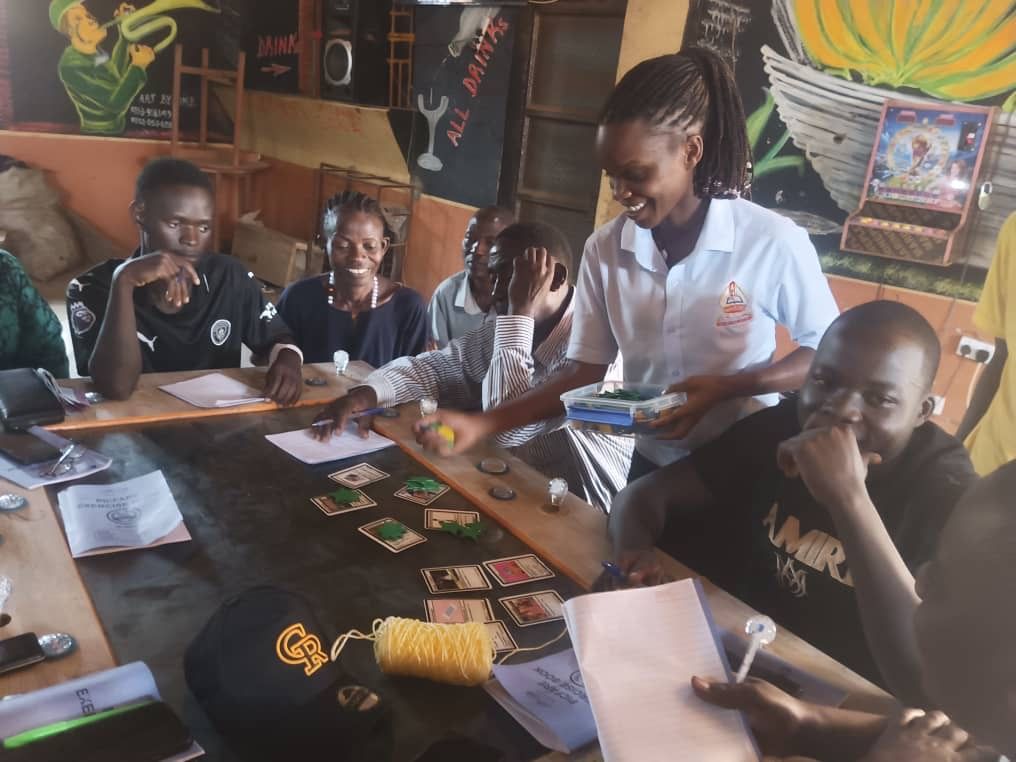
During the training, participants were divided into two groups with meaningful Luganda names: Tolimwavu and Kamu Kamu.
Tolimwavu carries the message that having limited resources does not automatically mean that someone is poor. The choices we make with the resources available to us also matter.
Kamu Kamu means “step by step” or “one step at a time” – a reminder that financial security and personal goals are usually built gradually, through planning, consistency and perseverance.
The groups then worked their way through four rounds of the Business Game. With each round, the decisions became more complex. Participants had to think about spending, education, saving and investment, but also loans, repayment and unexpected events.
There was no perfect route through the game. A decision that seemed attractive in one round could have consequences later. An investment could produce a return, while an unexpected event could suddenly reduce the resources available.
That is precisely where the learning takes place.
From uncertainty to active discussion
The first training also provided valuable lessons for Laudara and its partners.
At the beginning, participants needed more explanation than expected. The Business Game was originally developed with younger participants in mind, while the group in Ndegeya consisted of adults. Some scenarios therefore did not immediately connect with their present-day lives.
The facilitators responded by asking participants to relate the situations to their own experiences. As the game progressed, understanding increased and so did participation. Discussions became particularly lively when the groups faced decisions about education, investments, borrowing, loan repayment and unexpected financial events.
This is an important outcome of this first training. It shows that translating a programme into a local language is an essential step, but contextualising it to the lives of the people using it is equally important.
The experience in Ndegeya will therefore help us improve future sessions and make the Business Game even more relevant to adult participants and their everyday financial realities.
“Use it, save part of it, and invest part of it”
Perhaps the most interesting results came at the end of the game, when participants reflected on what they had learned.
Saving was repeatedly mentioned. Participants recognised that even with a limited income, putting something aside can help prepare for future needs and unexpected circumstances. Budgeting was also seen as important: knowing what resources are available, deciding what matters most and avoiding unnecessary expenditure.
One participant captured the lesson very simply: “If you have money, use it, save part of it, and invest part of it.”
Another reflected on the importance of having direction: “Everyone must have a goal in life.”
The discussion about investment was particularly relevant in a community where many people depend on small-scale economic activities. Participants recognised that starting a business does not always require a large amount of capital. Starting with what is available, reinvesting carefully and growing step by step can also create opportunities.
These reflections are exactly what the Business Game is intended to encourage. It is not about telling people what financial decisions they should make. It is about creating a safe environment in which they can experience choices and consequences, discuss them with others and translate those lessons into their own lives.
A game that we can continue to improve
The first training also confirmed that this is a learning process for us.
Future sessions can place even greater emphasis on situations that adults in Ndegeya recognise from their own households, livelihoods and businesses. Practical exercises around budgeting and saving can be strengthened, as can the discussion about responsible borrowing and the ability to repay a loan.
Most encouragingly, participants themselves asked for more Business Game sessions.
That tells us that the approach has potential. Financial education does not have to begin with a classroom lecture or a long list of rules. Sometimes it can begin with a group of people around a table, a set of choices to make, a little competition – and a conversation about what they would do differently next time.
Building skills for self-reliance
For Laudara, the Business Game is part of a broader approach to sustainable community development.
Projects that create practical opportunities – whether through food production, small businesses or other livelihood activities – become stronger when people also have the knowledge and confidence to make informed decisions about the resources they have.
The first Business Game training in Ndegeya has shown us both the possibilities and the next steps.
Conducting the game in Luganda made it more accessible. The enthusiasm of the participants demonstrated the appetite for practical financial education. And their feedback is helping us adapt the programme so that future sessions connect even more closely with everyday life in the community.
This was the first game. But, as the name Kamu Kamu reminds us, lasting change is built step by step.
Share this post: