Business Game

Building Skills for Self-Reliance

At Laudara Foundation, we believe that sustainable development starts with people having the knowledge, confidence and skills to make informed decisions about their lives. Access to income-generating opportunities is important, but lasting change requires more than resources alone. People also need the ability to manage money wisely, plan ahead and invest in their future.


To support this goal, Laudara Foundation is introducing the Business Game for adults in Ndegeya: an interactive learning tool that helps participants strengthen financial literacy, decision-making skills and long-term planning. Through practical learning and reflection, participants gain valuable insights that can help them build more resilient and self-sufficient lives. The project starts with training local facilitators who will introduce the Business Game within their own communities and help others develop the skills needed for greater self-reliance.

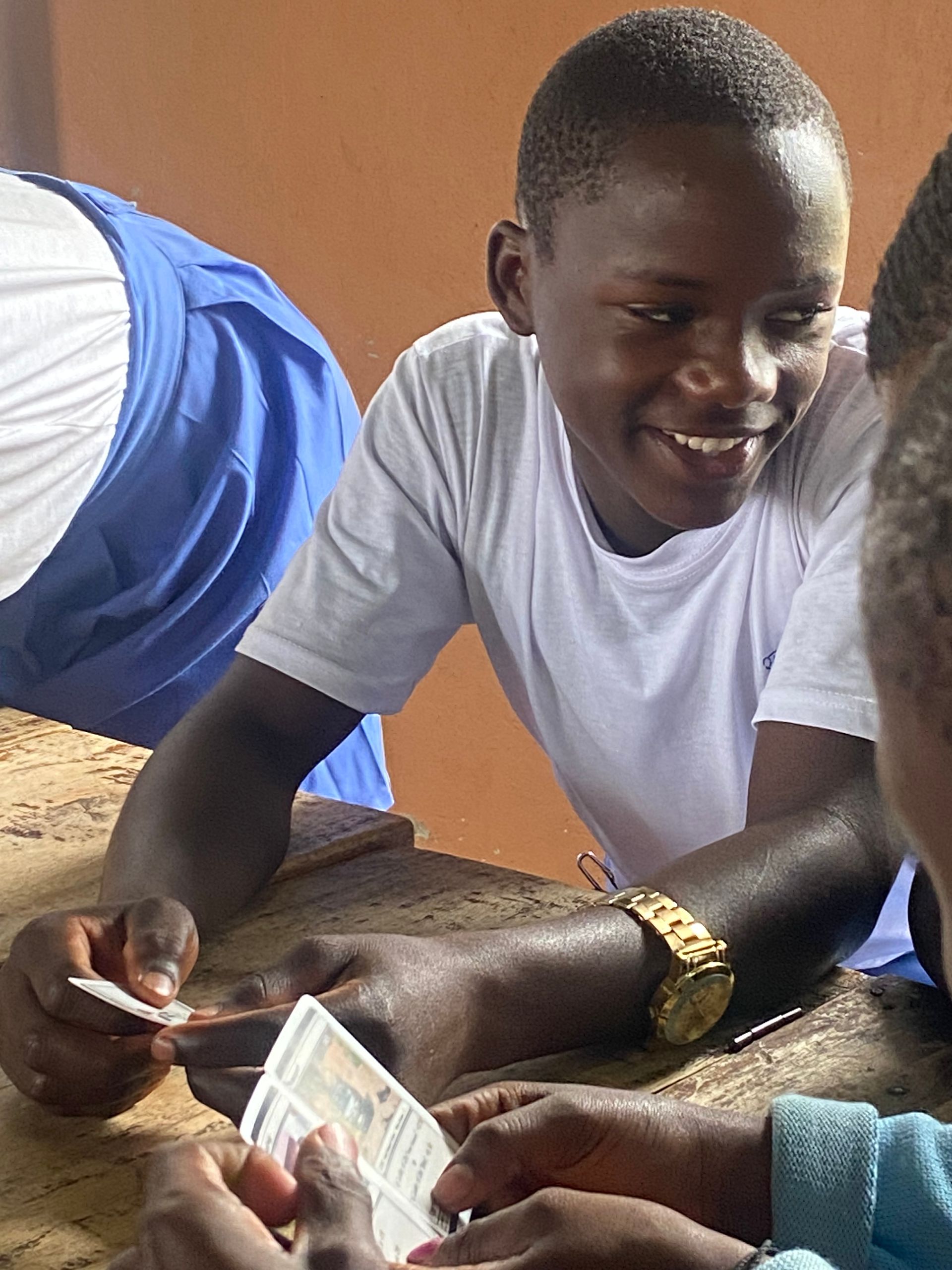
happy boy holding playing card

Why This Project Matters

Education is one of the core pillars of Laudara Foundation. We believe that self-sufficiency is not only about creating opportunities but also about understanding how to make the most of those opportunities.

Many adults in rural communities make important decisions every day about farming, household finances, healthcare, education and small businesses. Yet many have never had access to structured financial education. Learning how to budget, save, invest and prepare for unexpected challenges can have a significant impact on family wellbeing and future opportunities.

The Business Game helps participants explore these decisions in a practical and engaging way. Rather than focusing solely on increasing income, the programme encourages participants to think about how financial choices influence health, education, resilience and overall quality of life.


What is the Business Game?

The Business Game was developed by ADEPT e.V., a German organisation specialising in vocational education and life-skills development. The game was originally designed for secondary school students and was successfully introduced in schools throughout the Masaka region through a partnership with the Masaka Diocese.

The game is built around a simple but powerful question:

How can people make decisions that improve their quality of life over the course of their lives?

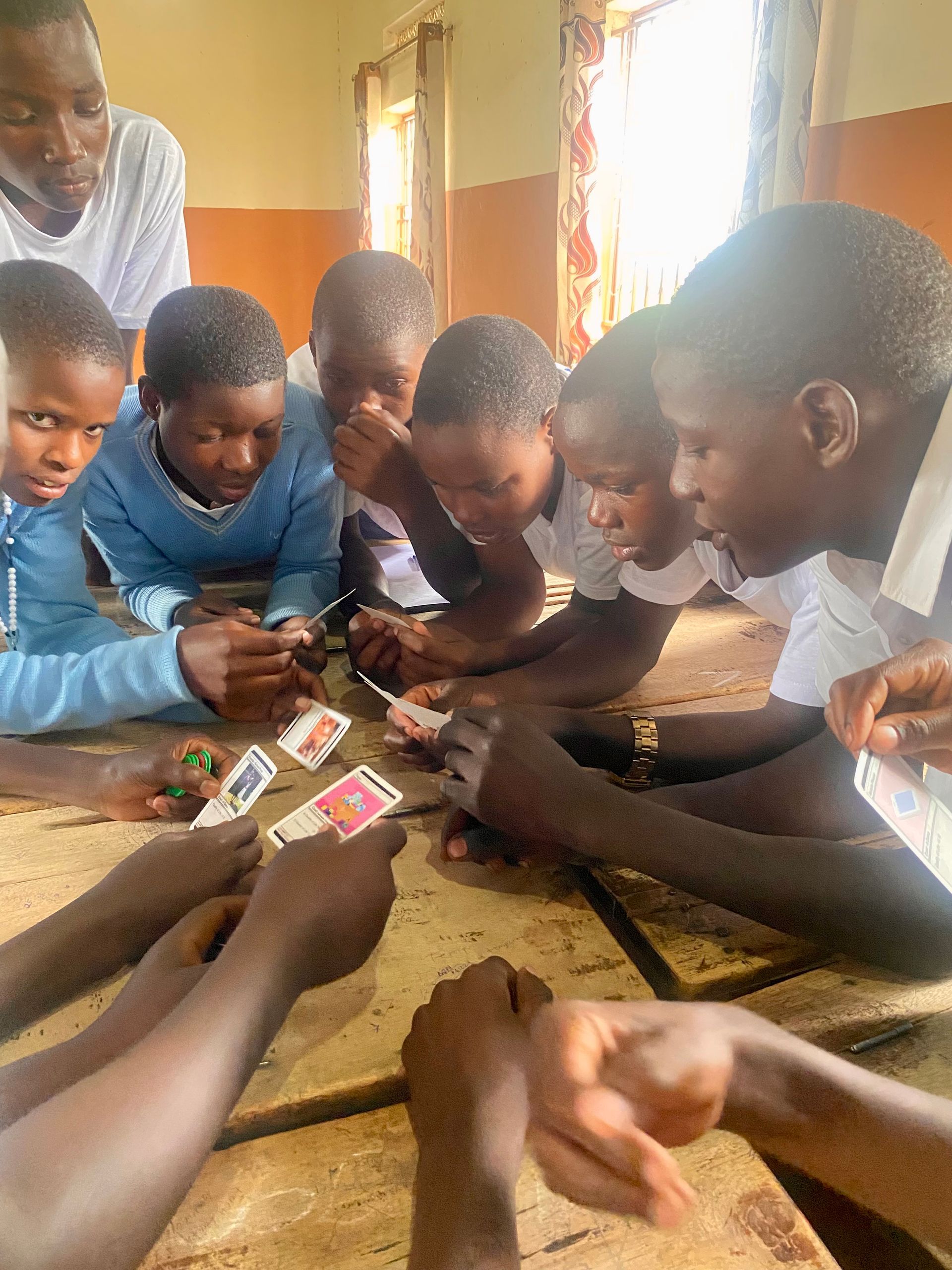
Participants play in teams and move through four stages of life:

  • Teenage Years (up to 19 years)
  • Young Adulthood (20–35 years)
  • Middle Adulthood (36–60 years)
  • Later Life (60+ years)

At each stage, players are confronted with opportunities, challenges and unexpected events that require them to make decisions about how they use their available resources. They may choose to invest in education, start a business, improve housing, save money, pay healthcare costs or respond to setbacks such as illness or crop failure.

The game reflects many of the situations that families in Uganda encounter in everyday life. Through discussion and reflection, participants experience the consequences of their choices in a safe learning environment and gain a deeper understanding of how today's decisions can shape tomorrow's opportunities.
Supporting Other Laudara Projects

The Business Game is designed to complement and strengthen other Laudara initiatives.

Participants involved in projects such as the Sack Garden Project and future livelihood programmes will be encouraged to take part in the game. While these projects provide practical opportunities to improve food security and household income, the Business Game helps participants develop the skills needed to manage resources effectively and make informed decisions about their future.

The game encourages participants to think about questions such as:

  • When should I invest in my farm, business or education?
  • How can I balance immediate needs with long-term goals?
  • Why is saving important, even when resources are limited?
  • How can I prepare for unexpected expenses or setbacks?

By combining practical livelihood support with financial education and decision-making skills, Laudara aims to increase the long-term impact and sustainability of all its community projects.

Adapting the Game for Communities


Building on the success of the school programme, Laudara Foundation is adapting the Business Game for adult learners aged 18 to 60 within community and livelihood projects in the Ndegeya area.

To ensure accessibility and relevance, the game materials will be translated into Luganda and adapted for adult learners. The adaptation process will include testing with local community members to ensure that the language, examples and learning methods reflect local realities and experiences.

Special attention will be given to involving women, young adults and smallholder farmers, who play a vital role in strengthening household resilience and community development.


Building Local Capacity


A key objective of the project is sustainability.

Rather than relying on external trainers, Laudara will train local facilitators who can organise and lead future Business Game Days within their own communities. Potential facilitators include teachers, church leaders, savings group leaders, youth leaders and active community volunteers.

Through practical workshops, facilitators will learn how to organise game sessions, guide discussions, connect lessons learned to real-life situations and encourage meaningful reflection among participants.

By investing in local capacity, Laudara aims to ensure that the programme continues to benefit communities long after the initial project phase has ended.

Adapting the Game for Communities

Building on the success of the school programme, Laudara Foundation is adapting the Business Game for adult learners aged 18 to 60 within community and livelihood projects in the Ndegeya area.

To ensure accessibility and relevance, the game materials will be translated into Luganda and adapted for adult learners. The adaptation process will include testing with local community members to ensure that the language, examples and learning methods reflect local realities and experiences.

Special attention will be given to involving women, young adults and smallholder farmers, who play a vital role in strengthening household resilience and community development.


Starting with Facilitator Training


The first phase of the project focuses on developing a team of local facilitators who will become the driving force behind the Business Game programme in their communities.

In 2026, community members from eight villages in the Ndegeya area will participate in a Facilitator Development Programme. During two practical training workshops, participants will first experience the Business Game themselves and then learn how to organise and facilitate future Business Game Days.

By investing in local facilitators from the outset, Laudara is laying the foundation for a sustainable, community-led programme. These facilitators will play a key role in bringing financial education and life-planning skills to other community members in the years ahead.


Building Local Capacity

A key objective of the project is sustainability.

Rather than relying on external trainers, Laudara will train local facilitators who can organise and lead future Business Game Days within their own communities. Potential facilitators include teachers, church leaders, savings group leaders, youth leaders and active community volunteers.

Through practical workshops, facilitators will learn how to organise game sessions, guide discussions, connect lessons learned to real-life situations and encourage meaningful reflection among participants.

By investing in local capacity, Laudara aims to ensure that the programme continues to benefit communities long after the initial project phase has ended.

Our partners in this project

Meet the team of the Business Plan

Can you help us with the development of the Mother and Child Centre?