

The Five Problems We Solve
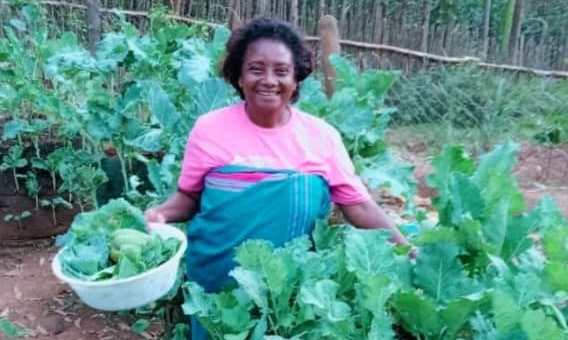
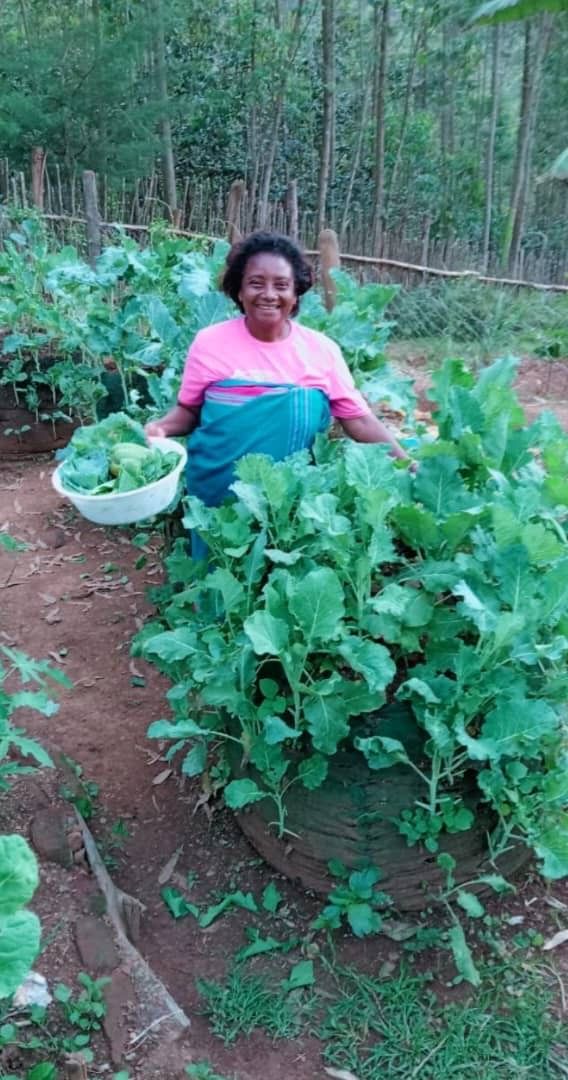
Ndegeya families lack space, cash, water, pest protection, and nutrition. Sack gardens solve all five simultaneously. Doorstep gardens need no land—just space beside the cooking area. They slash vegetable costs by 70%. Nutrient-dense nakati fights stunting directly. Gravel columns cut water use in half during dry spells. Companion planting with onions and marigolds keeps bugs away organically.
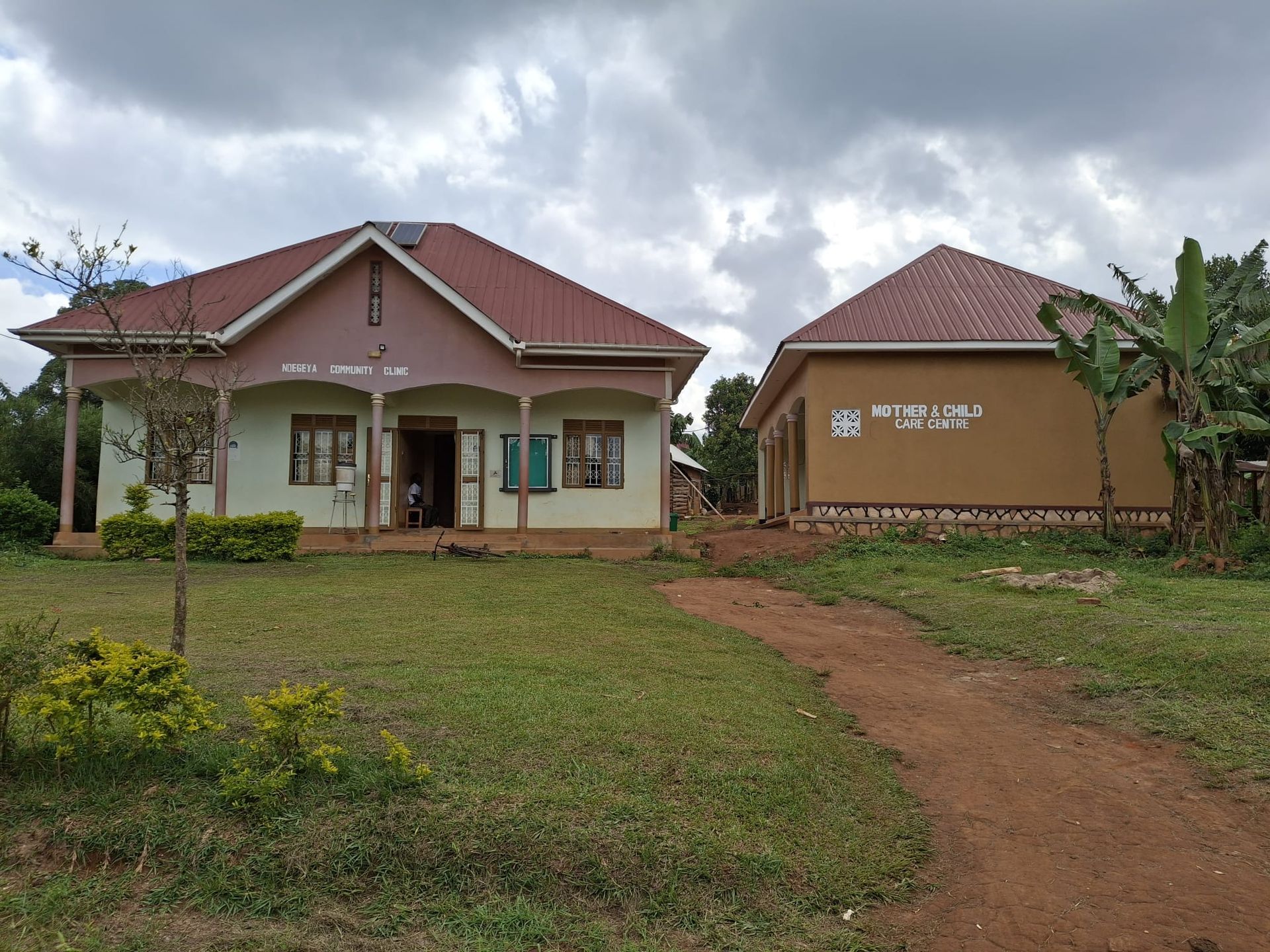
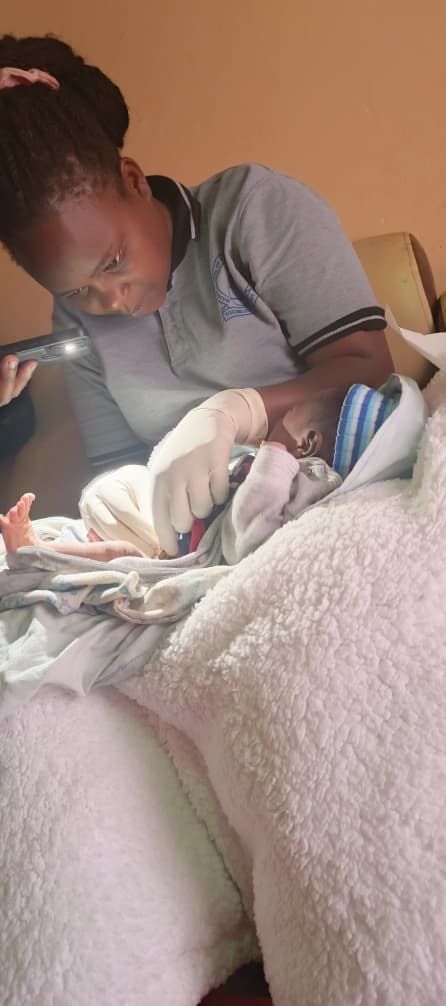
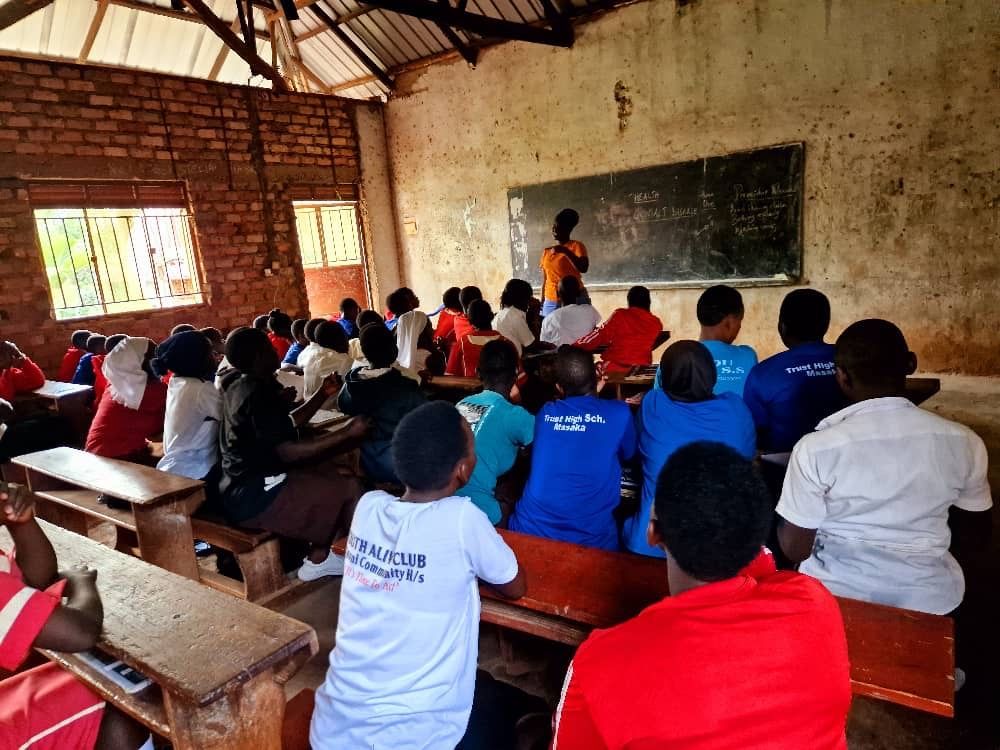
We start proof right at our existing Laudara clinic and mother-child center. Five demonstration sacks go live where hundreds visit weekly. Package one at the entrance shows nakati cascading from sides with tomatoes rising above. Package two in the waiting area teaches during mother-child sessions. Nurses harvest leaves for staff lunches, proving they're edible. Ten-minute "Garden Talks" explain the math: one sack equals 50% of a family's vegetable needs.
Mothers waiting for checkups taste the greens. They see growth charts improve with nutrition. Families ask for home kits. Nurses sell cuttings for UGX 500 each to fund the rollout. Clinic traffic becomes our free advertising.
First Village, Twenty Families
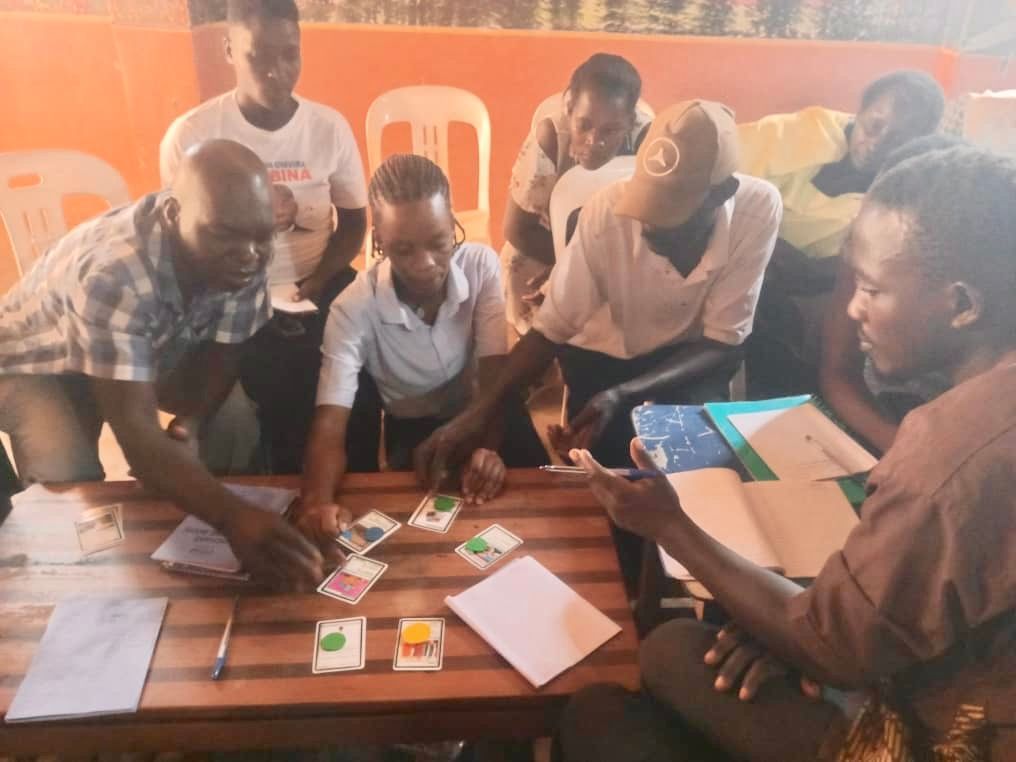
Day one, we collect free sacks from Masaka mills. LC1 leaders select twenty motivated women and youth-headed households. Day eight, clinic demos spark demand. Day fifteen, church training teaches hands-on sack building. Families take their kits home via boda-boda. WhatsApp groups share pest-fighting tips.
Total cost stays lean: UGX 170,000 for twenty families plus demos. In three months, sales make it self-funding. First harvests come week four—perfect timing for reinvestment.