How the Idea of a Community Mill Began
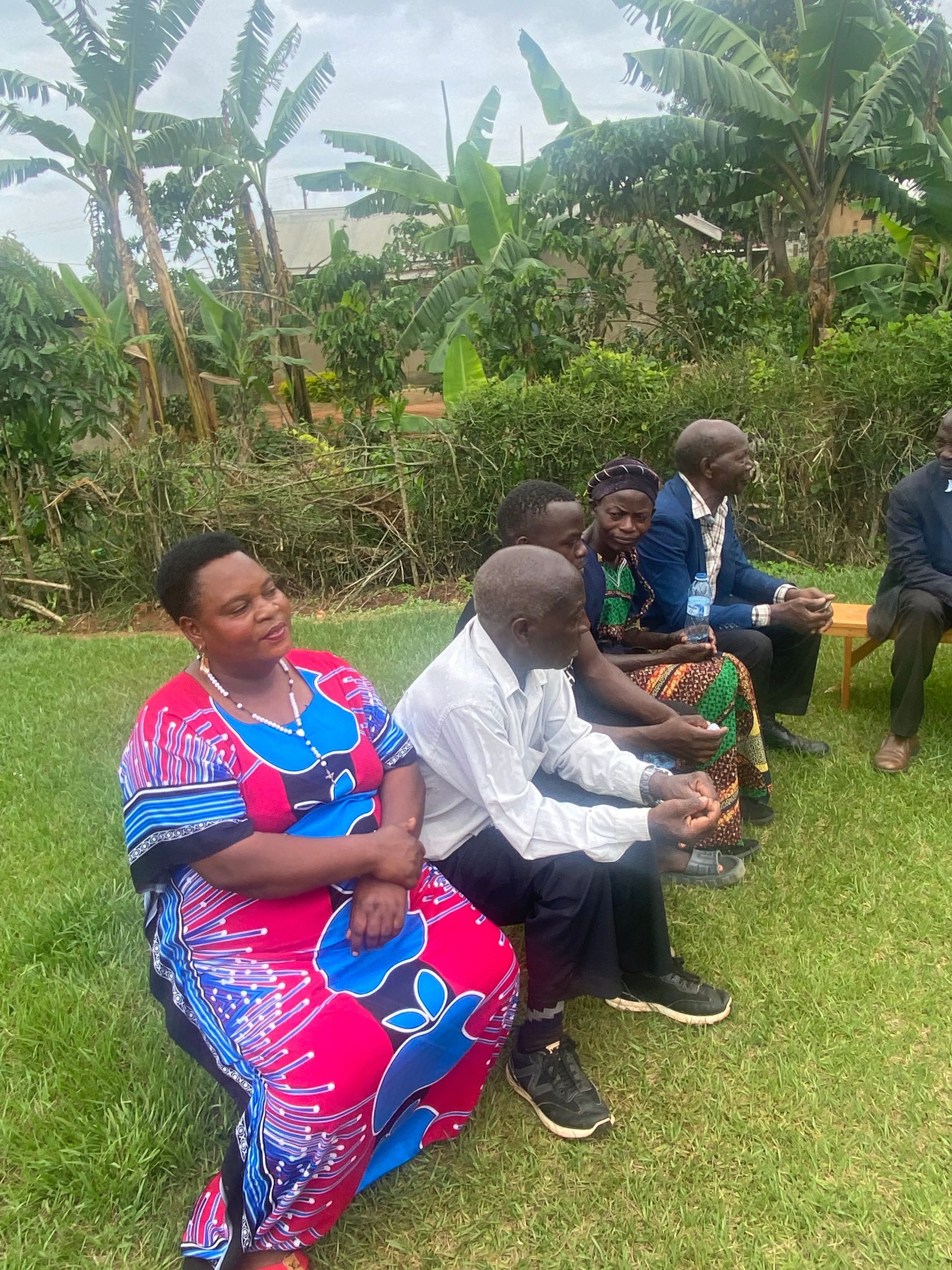
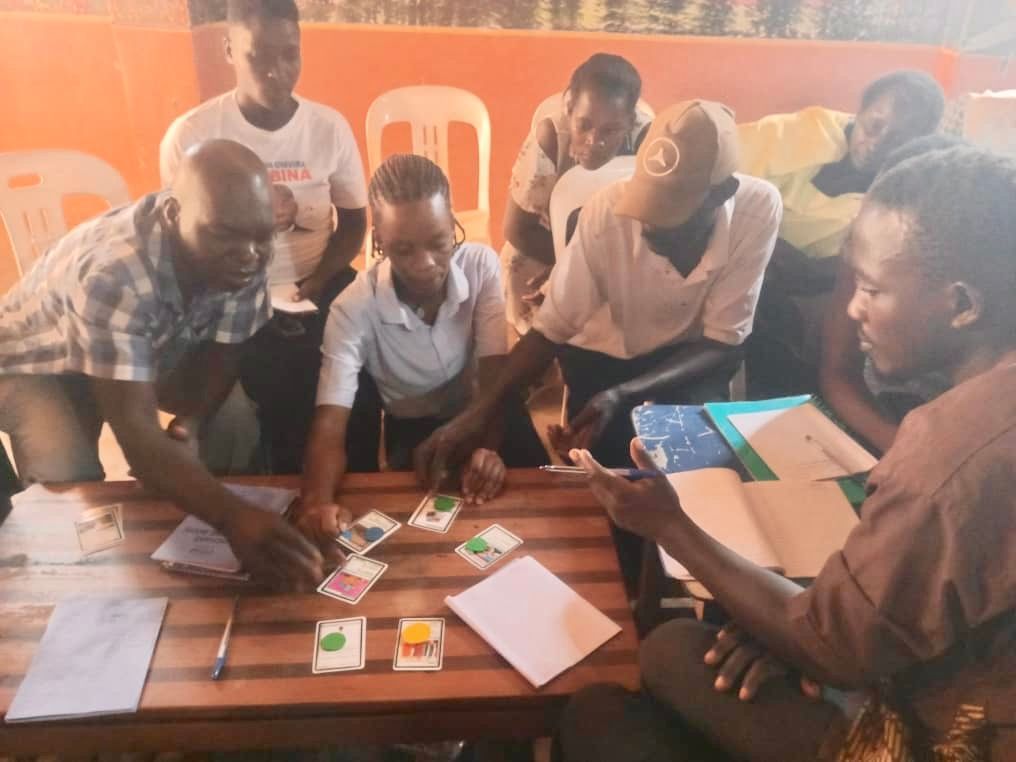
In 2024, the Laudara Foundation began a series of in‑depth conversations across the nine villages of the Ndegeya community. Rather than arriving with prepared plans or solutions, our team came to listen and talk with the people who know the land best. These meetings opened space for genuine dialogue and trust. It was through these conversations that the realities of daily life emerged, especially the challenges faced by young adults seeking to build a better future and break the cycle of poverty.
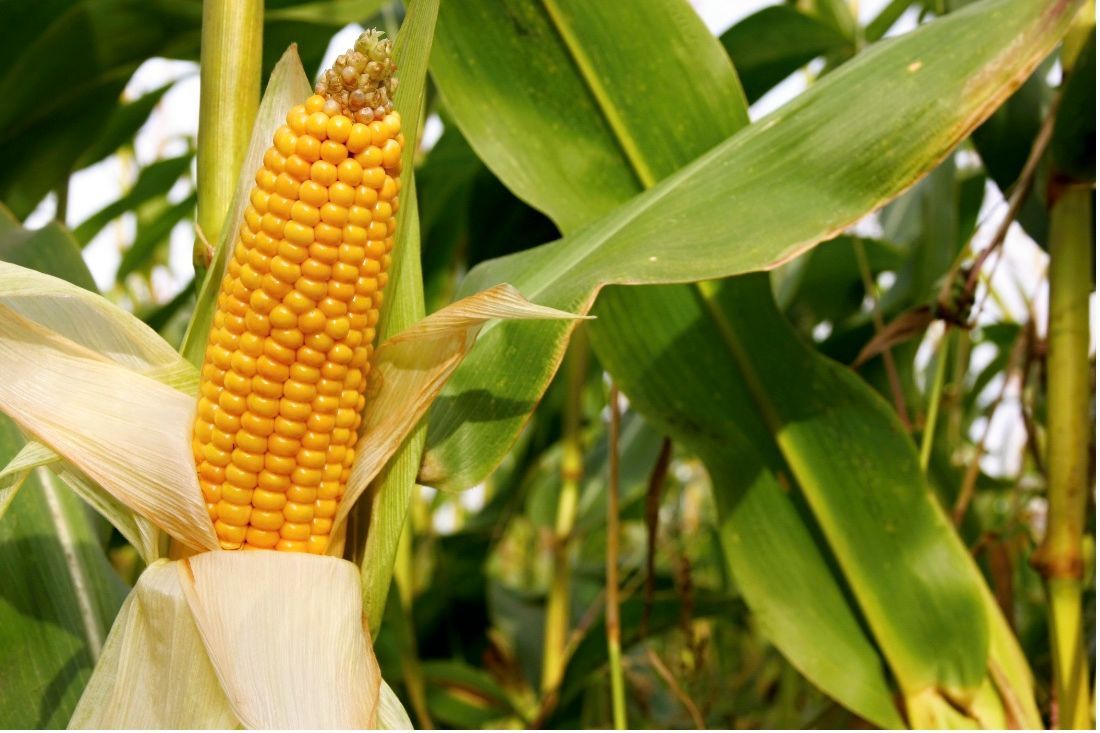
The elders and families spoke about several recurring issues: limited opportunities for youth, lack of access to clean water, poverty, unemployment, and the high costs related to farming and food preparation. In nearly every household, people relied on maize as their staple food. Yet, to use maize for cooking, it must first be milled into flour. Without a local mill, families had to travel all the way to Masaka, paying high commercial milling fees and transport costs—expenses that often exceeded the value of the grain itself. For small farmers, this meant having little or no gain from their harvests.
These shared experiences planted the seed of a question that came naturally from the community itself: what if
Ndegeya had its own mill—locally owned, locally managed, and accessible for everyone? Similar discussions had taken place in other parts of Uganda, but this time, the idea came from within Ndegeya and belonged entirely to its people.
From the beginning, Laudara’s commitment was to leave the power and ownership with the community. Our role was not to lead from the front but to walk alongside—to support elders and villagers in shaping a plan that reflected their priorities.
The village elders became key partners: they guided discussions, shared local wisdom, and helped communicate ideas in their villages. Their leadership ensured that decisions were made with understanding and inclusion, strengthening the community’s sense of unity and responsibility.
The conversations during that meeting focused on two clear guiding principles. The first—and most important—was that the project must remain in the hands of the community, not Laudara. We could assist, facilitate, and encourage, but ownership and decision‑making had to stay local. The second principle was that all nine villages should benefit equally. No single group or individual should dominate. To honor those principles, the elders and our team discussed creating a formal structure that could represent everyone’s voice fairly.
From the start, we agreed that this new association should include older and younger members, men and women alike. The elders offered continuity, stability, and wisdom; the younger generation would bring energy, skills, and innovation. This balance reflects the heart of Ndegeya itself—a community that values experience while welcoming new perspectives.
This collaborative process embodies
Laudara’s mission: connecting health, education, and income through participation and shared responsibility. A community mill that is truly owned by the people creates benefits far beyond food production. It brings empowerment, cooperation, and opportunity. By walking alongside the elders and their communities, we aim not to direct the path ahead but to ensure that each step forward is taken together.
So that the power to shape Ndegeya’s future remains exactly where it belongs: with its people.